
Acne-related inflammation and essential fatty acids
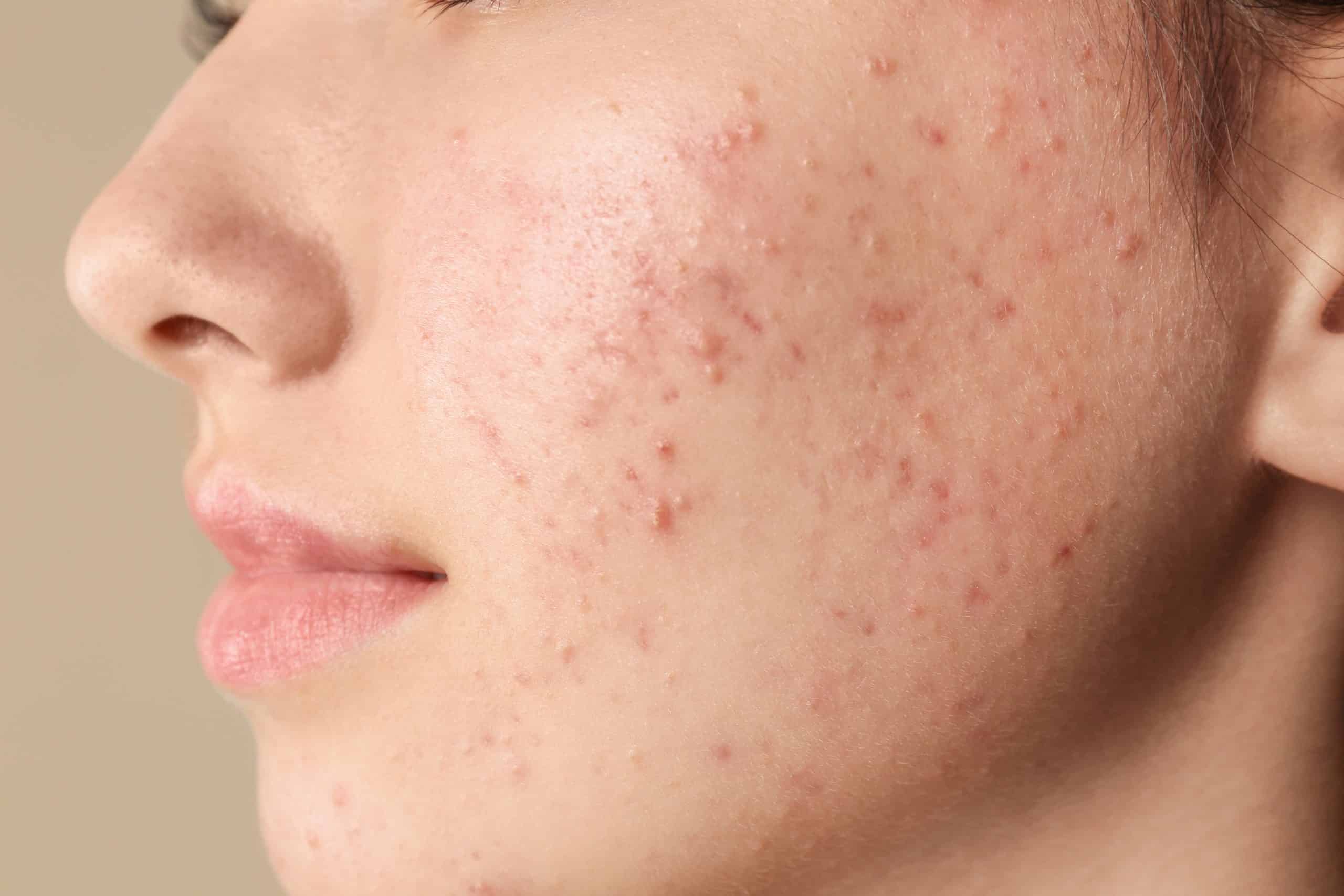
Acne is one of the most widespread skin conditions, affecting over 70% of the population at some point in life.
Although it is traditionally associated with adolescence, acne can also occur in adulthood, with a significant impact on quality of life and psychological well-being.
The inflammatory cascade in acne
Acne develops through a complex interaction of four main factors:
1. Excess sebum production
The sebaceous glands produce an excessive amount of sebum, creating a lipid-rich environment within the pilosebaceous follicle.
2. Follicular hyperkeratinization
The cells lining the follicle proliferate and accumulate abnormally, obstructing the normal outflow of sebum. This leads to the formation of comedones, commonly known as blackheads and whiteheads.
3. Bacterial colonization
The bacterium Cutibacterium acnes (formerly known as Propionibacterium acnes) finds the sebum-rich comedone an ideal environment for growth. This microorganism produces enzymes that break down sebum lipids, generating free fatty acids that irritate the follicle.
4. Inflammatory response
Free fatty acids and bacterial metabolites trigger an inflammatory cascade involving pro-inflammatory cytokines, chemokines, and immune cells. It is this inflammatory response that transforms comedones into papules, pustules, and, in more severe cases, nodules and cysts.
Understanding these mechanisms highlights that inflammation is not merely a consequence of acne, but a central element in its pathogenesis.
Alpha-linolenic acid: an anti-inflammatory modulator
Alpha-linolenic acid (ALA) plays a key role in the management of skin inflammation through several mechanisms:
– Reduction of pro-inflammatory cytokine production – ALA and its metabolites help reduce the expression of inflammatory cytokines such as interleukin-1 (IL-1), interleukin-6 (IL-6), and tumor necrosis factor alpha (TNF-α). These molecules are heavily involved in amplifying the inflammatory response in acne lesions
– Synthesis of specialized pro-resolving mediators – Although the conversion of ALA into EPA and DHA is limited in humans (approximately 5–10%), even this small amount contributes to the production of resolvins and protectins. These lipid mediators not only reduce inflammation but actively promote its resolution.
– Modulation of the immune response – Alpha-linolenic acid positively influences the activity of skin immune cells, promoting a more balanced and less aggressive response to acne-triggering factors.
Linoleic acid: guardian of the skin barrier
Linoleic acid plays a particularly important role in the health of acne-prone skin:
– Essential structural component – Linoleic acid accounts for approximately 15–20% of the fatty acids in the stratum corneum of healthy skin. It is a fundamental component of ceramides, lipids that are crucial for maintaining the integrity of the skin barrier. A deficiency in linoleic acid compromises this barrier, increasing transepidermal water loss and susceptibility to irritation.
– Influence on sebum composition – Acne-prone skin often shows reduced levels of linoleic acid in sebum. This relative deficiency may contribute to follicular hyperkeratinization and comedone formation. Adequate linoleic acid intake can help normalize sebum composition, reducing its comedogenic potential.
Vitamin E: the lipophilic protector
Vitamin E, particularly in the form of alpha-tocopherol, is the main fat-soluble antioxidant found in cell membranes and in skin sebum. Its role in acne management is multifaceted:
– Protection against lipid peroxidation – The excess sebum produced in acne-prone skin is especially vulnerable to oxidation. When sebum lipids are oxidized, irritating compounds are formed that amplify follicular inflammation. Vitamin E protects fatty acids from peroxidation, preserving sebum integrity and reducing its irritant potential.
– Support for skin repair processes – Vitamin E contributes to improved resolution of acne lesions and may help reduce the risk of scarring.
Vitamin A: regulator of cellular differentiation
Vitamin A and its derivatives (retinoids) have long been recognized as fundamental in acne management, although oral use requires medical supervision. From a nutritional perspective, adequate intake of vitamin A in the form of retinol or its precursors (carotenoids) serves several important functions:
– Regulation of keratinization – Vitamin A is essential for normal keratinocyte differentiation. Adequate intake helps prevent follicular hyperkeratinization, one of the key mechanisms in comedone formation. This regulatory action helps keep the follicular canal open, facilitating normal sebum flow.
– Modulation of sebum production – Vitamin A influences sebaceous gland activity, helping to regulate both the quantity and composition of sebum. While this effect is more pronounced with pharmaceutical retinoids, adequate dietary vitamin A also contributes to sebaceous function regulation.
– Support of the skin barrier – Vitamin A is essential for maintaining epithelial integrity, including that of the skin. It supports the synthesis of glycoproteins involved in skin barrier structure and physiological cell turnover.
Together, these nutrients help create a more favorable biochemical environment for skin health by modulating inflammation, supporting the skin barrier, and positively influencing the mechanisms underlying acne.
Discover more about Dermolife Integratore per la pelle

La redazione di Dermolife

Informazioni prodotti
Hai qualche curiosità o dubbio in merito ai prodotti, come utilizzarli o dove acquistarli? Scrivici a → news@dermolifemed.it
Potrebbero interessarti anche...
Il Magazine di Dermolife dedicato al benessere della pelle


