Dust Mite Allergy and the Sleep Cycle

The circadian rhythm is the biological clock of our body. Have you ever found yourself waking up early on a Sunday morning without the need for an alarm? This is due to our internal clock, which signals the body when to be active, when to fall asleep, and when to wake up. However, the circadian rhythm can be influenced by various environmental or hormonal factors, which may impact health and lifestyle. One such factor is dust mite allergy, which affects sleep quality.
Sleep quality importance
Sleep consists of several stages that together form a cycle: N1, N2, N3, and REM. Each stage varies in depth and is responsible for different aspects of rest. The total number of cycles, as well as the duration and depth of each stage, influence overall sleep quality.

Dust Mite Allergy and Sleep Quality
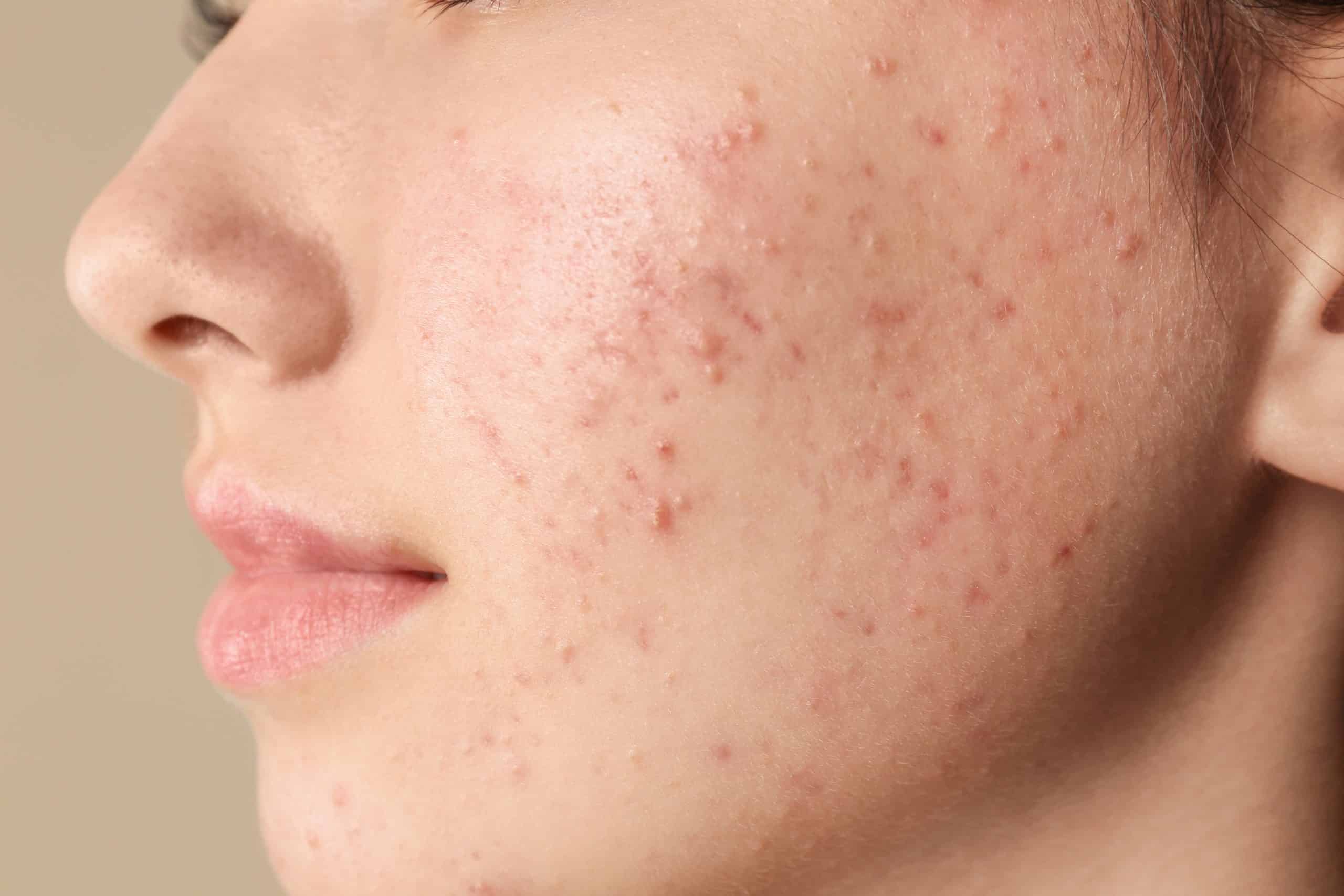
Dust mite allergy typically manifests shortly after birth as acute dermatitis. Subsequently, it may lead to food allergies and respiratory problems. Allergic rhinitis caused by dust mites affects between 65 and 130 million people worldwide. Dust mites are ubiquitous and difficult to eliminate from bedrooms, with conditions often worsening during the winter months. Studies assessing sleep disturbances in individuals allergic to dust mites have demonstrated difficulties in falling asleep, nocturnal awakenings, clinical insomnia, and overall reduced sleep quality compared to non-allergic individuals. The constant presence of these allergens negatively affects the upper respiratory tract and is associated with poorer health status and quality of life.
Dust Mites and REM Sleep Disorders
Normally, REM sleep constitutes approximately 20% of the sleep cycle. It is responsible for restorative sleep; thus, disturbances in the REM phase lead to impairments in memory, cognitive ability, concentration, and productivity.
Researchers have hypothesized not only that dust mite allergy contributes to decreased sleep quality but also that it specifically adversely affects the REM phase. Results indicate that patients suffer from moderate to severe disturbances in this phase far more frequently than non-allergic subjects.
Completely eliminating dust mites from our homes is impossible; however, even partial removal of allergens positively impacts allergy symptoms and sleep quality. In the bedroom, it is crucial to use devices capable of isolating allergens from the patient, allowing restful sleep and overall well-being from the sleep-wake cycle.
References: Berson, Shelley R et al. “House Dust Mite Related Allergic Rhinitis and REM Sleep Disturbances.” American journal of otolaryngology vol. 41,6 (2020): 102709. doi:10.1016/j.amjoto.2020.102709
Discover more about Dermolife Dream anti-mite line

La redazione di Dermolife

Informazioni prodotti
Hai qualche curiosità o dubbio in merito ai prodotti, come utilizzarli o dove acquistarli? Scrivici a → news@dermolifemed.it
Potrebbero interessarti anche...
Il Magazine di Dermolife dedicato al benessere della pelle