Soothing Creams in the Management of Atopic Dermatitis

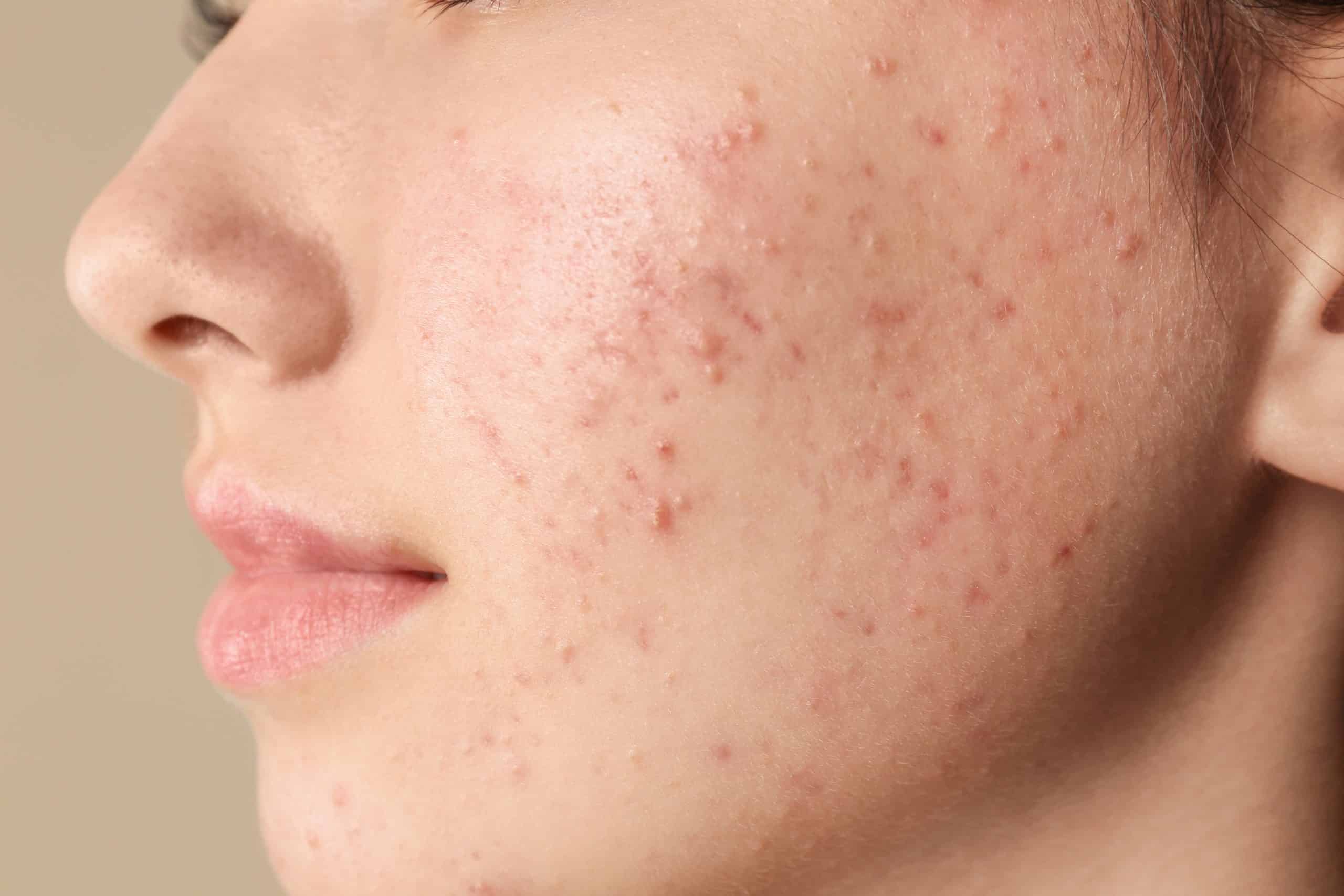
Atopic dermatitis is among the most common dermatological conditions, affecting 1 in 5 infants and at least 1 in 10 adults. It is characterized by impaired skin barrier function, which reduces the skin’s ability to protect the body from pathogenic agents or irritants.
To counteract the resulting inflammation, dryness, and itching, the proper use of soothing creams is recommended. These should be applied regularly to the areas of the body affected by the condition.
What are soothing creams?
Soothing creams are products designed to hydrate the skin. They vary according to their mechanism of action and are not all the same: some supply the epidermis with essential substances to restore its physiological functions and maintain softness and firmness, while others prevent the loss of water from the stratum corneum. The former act directly, whereas the latter act indirectly.

Soothing creams also differ in their lipophilic or hydrophilic nature depending on their formulation technology. They can be oil-in-water (O/W) or water-in-oil (W/O) creams. Their composition determines the active ingredients they contain and the skin layers they can reach. Specifically, O/W formulations absorb more rapidly and are suitable for application over large body areas, whereas W/O formulations are less malleable, making them ideal for smaller, more localized areas, with a strong protective action.


Different generations of emollients:
Based on the oils they contain, emollient creams can be classified into three distinct groups:
First generation – Contain occlusive agents such as petrolatum, paraffin, hydrophilic polymers like collagen, hyaluronic acid, chitosan, and gelling polysaccharides, all of which improve skin hydration.
Second generation – Contain molecules that hydrate the skin and repair the skin barrier, such as sorbitol, glycerol, urea (5–10%), and lactic acid.
Third generation – Contain molecules that hydrate the skin and correct defects in the intercorneocyte lipid cement, typical in atopic dermatitis. This generation features physiological lipids, the natural lipid components of the skin barrier, including ceramides, cholesterol, and polyunsaturated fatty acids (Omega-3 and Omega-6). Ceramides provide structural, protective, and antimicrobial functions; cholesterol is a physiological component of the cellular membranes of the stratum corneum; and Omega fatty acids support cellular functions and enhance the skin’s ability to retain water, counteracting dehydration. These innovative emollients not only control water loss but also repair the skin barrier defect that causes inflammation. Proper use of these emollients can reduce relapse frequency and decrease the need for corticosteroid treatments.
References: Alessandra Semenzato. Gli emollienti non sono tutti uguali, Pacini Editore Medicina, Ott.22; Iria Neri, Paola Sgubbi, Carlotta Gurioli, Annalisa Patrizi. La cute dell’atopico, RIAIP, due-2016,8-15; Danby SG, Andrew PV, Taylor RN, Kay LJ, Chittock J, Pinnock A, Ulhaq I, Fasth A, Carlander K, Holm T, Cork MJ. Different types of emollient cream exhibit diverse physiological effects on the skin barrier in adults with atopic dermatitis. Clin Exp Dermatol. 2022 Jun;47(6):1154-1164.

La redazione di Dermolife

Informazioni prodotti
Hai qualche curiosità o dubbio in merito ai prodotti, come utilizzarli o dove acquistarli? Scrivici a → news@dermolifemed.it
Potrebbero interessarti anche...
Il Magazine di Dermolife dedicato al benessere della pelle