Dust Mite Allergy and Skin: What Is the Correlation?

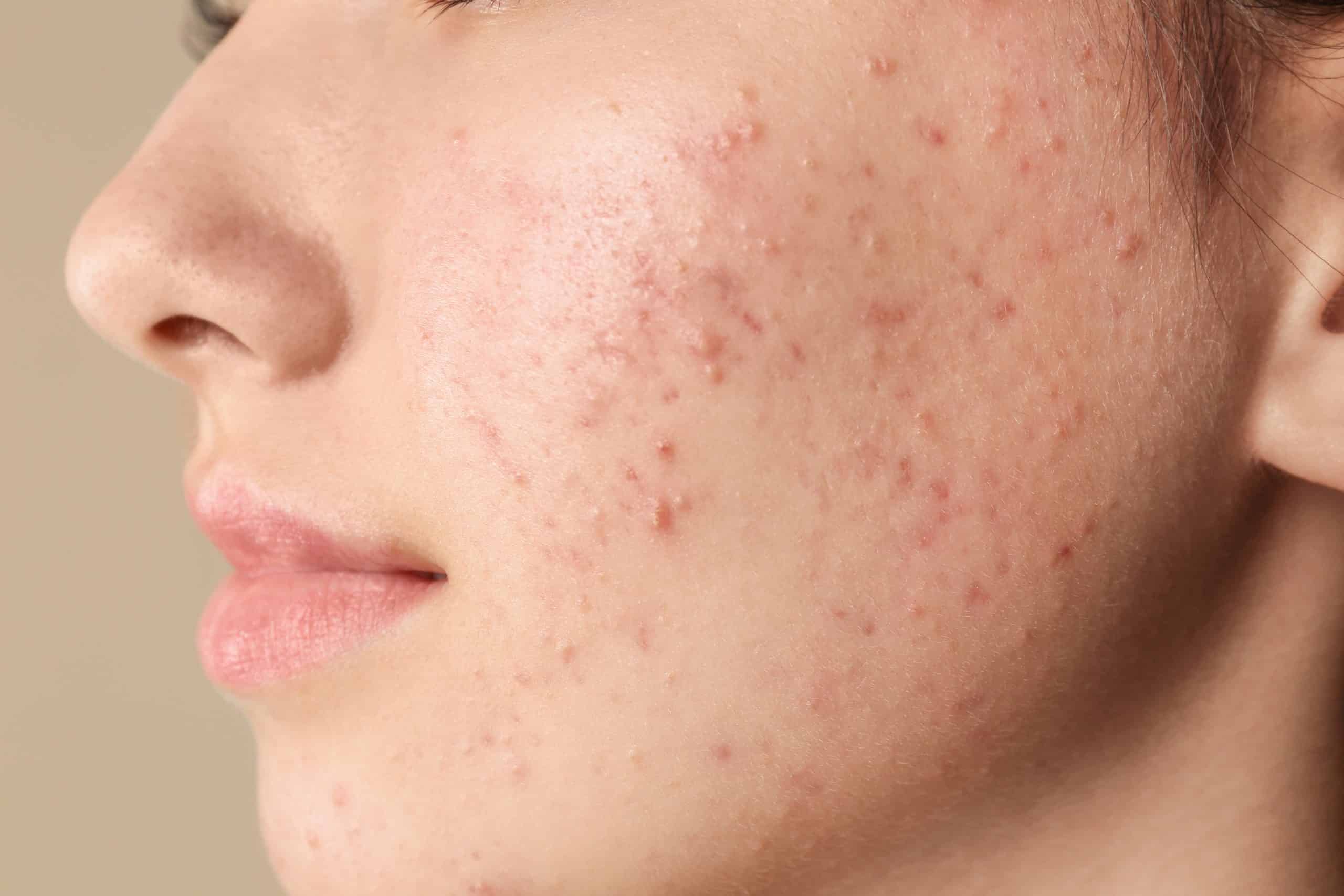
The dust mite is a tiny arthropod, invisible to the naked eye; however, its effects on the human body are numerous, encompassing both respiratory and skin-related conditions. Dust mite particles, which contain allergens, can induce sensitization and atopic symptoms upon contact with the skin epithelium. Dust mite allergy manifests on the skin with common symptoms of atopic dermatitis: inflammation, pain, and itching.
The Role of the Skin Barrier
A healthy skin barrier can be likened to the foundation of a house: keratinocytes represent the bricks, while physiological lipids serve as the cement that holds them together. When in balance, this structure is robust and effectively protects the body from external aggressors. In cases of atopy, however, the lipid “cement” is compromised, rendering the skin surface more permeable. Consequently, allergens penetrate and trigger atopic dermatitis.

Atopic Dermatitis
This condition typically arises during the first months of life, significantly impacting the quality of life and sleep of the infant. Its causes can be both environmental and genetic. Indeed, an infant with a parent or sibling affected by atopic dermatitis has a 60% likelihood of developing the condition during early childhood; this risk rises to 80% if both parents are affected. It is evident that heredity is a key determinant, although environmental factors, such as dust mite sensitization, also play a crucial role.
The impairment of the skin barrier function predisposes the body to increased allergen absorption, often resulting in additional allergic conditions affecting the airways, such as rhinitis and asthma.

Intervention Strategies
Maintaining skin integrity as much as possible is fundamental to reducing the so-called “allergic march”. To achieve this, the use of third-generation emollients containing physiological lipids (such as cholesterol, ceramides, and fatty acids) is recommended, as they help restore barrier integrity and replenish the lipids of the stratum corneum. Additionally, in order to improve sleep quality and alleviate allergy symptoms, proper environmental remediation of the domestic setting is essential.

La redazione di Dermolife

Informazioni prodotti
Hai qualche curiosità o dubbio in merito ai prodotti, come utilizzarli o dove acquistarli? Scrivici a → news@dermolifemed.it
Potrebbero interessarti anche...
Il Magazine di Dermolife dedicato al benessere della pelle